
Blue and Purple Fruits and Vegetables — Health Benefits
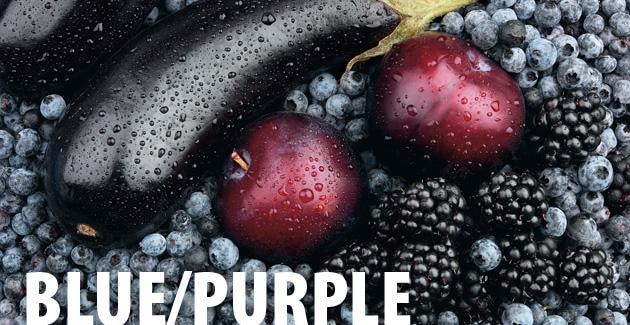
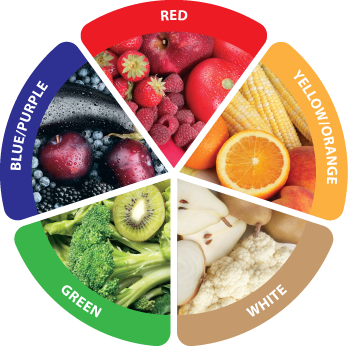


There's a reason blueberries and other blue/purple berries are considered brain food. These fruits get their color from flavonoids such as anthocyanin that may help slow cognitive decline, improve motor skills and reverse memory loss. The anthocyanins in blueberries, blackberries, plums and eggplant have antioxidant and anti-inflammatory benefits, helping to prevent cell damage that's linked to a wide range of chronic diseases including heart disease, cancer and diabetes.
In addition to their brain-boosting benefits, the polyphenols in blue/purple fruits and vegetables are being investigated for a wide range of potential health benefits. Resveratrol, found in the skin of purple grapes, has been studied for possible protection against heart disease and cancer. Blueberries and blackberries contain ellagic acid, which has been linked to a reduced risk of certain types of cancer.
Include a variety of blue/purple fruits and veggies in your diet to help maintain:
| ►Brain health and memory | ►A healthy heart |
| ►A lower risk of some cancers | ►Healthy aging |
| ►A healthy immune system | ►Urinary tract health |
Blue/purple fruits and vegetables include:
- ►Blueberries
- ►Blackberries
- ►Purple grapes
- ►Plums
- ►Eggplant
- ►Purple cabbage
- ►Figs
- ►Elderberries
- ►Concord grapes
- ►Purple potatoes
- ►Lavender
- ►Purple asparagus
Presented In Association With